



You’re probably asked this when buying something these days. Do you want a warranty? Well, it all comes down to what you’re buying and how much the warranty is. Also, how likely it is to fail and what the repair cost will be. A $79 warranty on a $299 TV likely doesn’t make sense compared to a $1,200 extended warranty on a vehicle you’ll own for many years.
How much money you have saved is another factor. If you don’t have any savings, an extended warranty may be the right choice. It can keep you from using your high-interest credit card. But if you do have money, you could set that amount aside in a repair fund. Here are some tips to help you decide whether to buy an extended warranty or save up for repairs, how to get an extended warranty for free, and why it rarely makes sense to buy one for a vehicle.
Why Extended Warranties Usually Cost More Than They Save
Extended warranties is often just a fancy word for service contracts. The FTC warns consumers that these warranties may not be worth the money if your purchase isn’t likely to need repairs. Some repairs are already covered by the manufacturer’s warranty, so buying an extended warranty is often paying for something you’re already protected against.
Even when the warranty covers your repairs, it may not be worth the cost. For example, an average extended warranty for a refrigerator costs about the same as the average repair cost (around $160). Only a fraction of consumers who were asked stated that they had to pay over $500 for a repair. If you buy products with good reliability, you’re paying for warranty coverage that you’re not likely to use.
Be sure to read all your fine print. Extended warranties can have loopholes and may not provide as much coverage as you think. Most charge a deductible every time you file a claim, which adds to the total cost compared with paying out of pocket. Depending on your repair, you may have to ship your item out and go without it for a couple of weeks.
Get an Extended Warranty for Free With Your Credit Card
Before you pay for any warranty, check your wallet. Many credit cards automatically extend the manufacturer’s warranty for free when you pay with the card.
How much coverage you get and how long it lasts depends on the card. The Chase Sapphire Reserve adds one year to eligible manufacturer warranties of three years or less, with limits of $10,000 per claim and $50,000 per account. American Express coverage varies by card, but the Amex Platinum covers items with original warranties of up to five years.
You don’t need a premium card, either. The no-annual-fee Chase Freedom Unlimited and Chase Freedom Flex both include one year of extended warranty coverage. But this perk is becoming less common. According to WalletHub, Citi removed extended warranty coverage from most of its cards, and Wells Fargo dropped it entirely.
Here are the common limits and exclusions to know:
- Pay with the card. Most benefits require you to charge the entire purchase to the card.
- Motorized vehicles are excluded. American Express’s terms rule out passenger cars, trucks, motorcycles, boats, and airplanes.
- Used and refurbished items often don’t qualify. You must buy a brand new item for coverage to apply.
- Accidental damage isn’t covered. Extended warranty covers mechanical failure. Drops and spills fall under a separate benefit, purchase protection, which typically lasts only a few months after the purchase date.
- Claim deadlines are strict. The standard Mastercard benefit requires you to report a failure within 60 days. Wait too long, and the coverage you are counting on suddenly disappears.
When making a big purchase, I recommend downloading your card’s Guide to Benefits and saving the receipt, manufacturer’s warranty, and card statement in one folder. That way, you have all the paperwork handy when filing a claim, because missing paperwork is an easy way to get denied.
Where to Keep Your Repair Fund
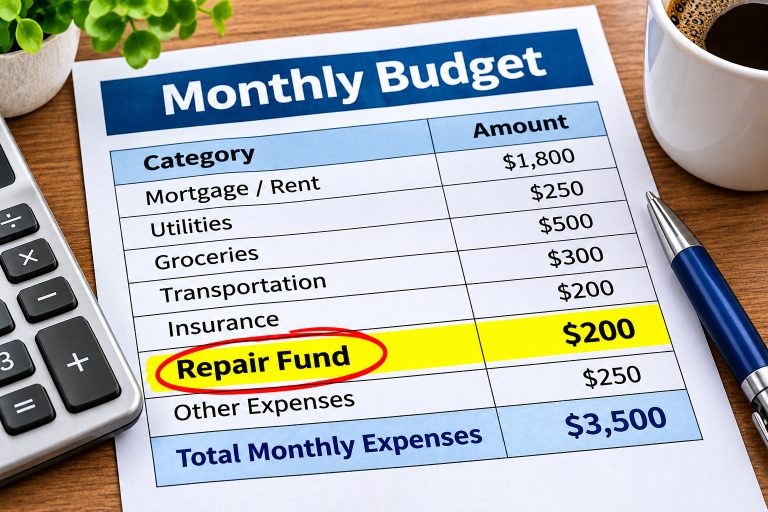
If you skip the warranty, put the money you would have spent to work. A repair fund is simply a savings bucket for things that break, and the best place for it is a high-yield savings account. As of October 17, 2026, some accounts on BankRate paid up to 4.25% APY.
Open the account at a different bank than your checking account and nickname it “Repair Fund.” Every time you make a big purchase, decline the warranty and put the money into the bank. I take this a step further and contribute $25 to $50 every couple of weeks to ensure I have enough when something breaks without tapping my emergency fund.
Here’s how the math can work. Say you turn down about $400 a year in protection plans on items like a TV, laptop, and appliance. Deposit that amount each year into an account earning 4%, and you’d have about $2,166 after five years. That’s the $2,000 you saved plus roughly $166 in interest. If nothing breaks, the money is still yours. When you buy an extended warranty, you’re almost hoping something breaks to justify the expense. Otherwise, you’re just left with a stack of receipts.
Keep your repair fund separate from your emergency fund so a broken dishwasher doesn’t drain money meant for a job loss or medical bill. If you’re still building your emergency fund, that should come first. For more on setting money aside for irregular expenses, see our guide on whether to pay service fees annually or monthly.
When an Extended Warranty Is Worth Buying
An extended warranty makes sense when two things are true: the item is likely to break, and the repair would cost more than the warranty. A quick gut check is to multiply the chance of a repair by its likely cost, then compare that number to the warranty price.
Consumer Reports’ repair data shows how widely reliability varies:
| Product | Repair Risk | Verdict |
| Side-by-side refrigerator with icemaker | 31% needed repairs by year four | Consider it if a repair would strain your budget |
| Built-in or professional refrigerator | 15% to 19% fail in year one; repairs run $450 to $1,200 | Often worth it |
| Laptop | 24% needed repairs | Consider an accidental damage plan for kids or frequent travelers |
| Dishwasher | 20% needed repairs by year four | Usually skip |
| LCD TV | 7% repair rate | Skip |
Accidental damage plans are the main exception to the “usually skip” rule. Extended warranty coverage from your credit card won’t pay for a cracked phone screen, but it may cover it under a different benefit if your card includes cell phone protection. For other devices that take the most abuse, like a laptop, an extended warranty that covers drops can be worth it.
Cars Are a Different Calculation
No credit card extended warranty covers vehicles, and a single repair can run into the thousands.
The data argues against buying an extended warranty. In a Consumer Reports survey of more than 12,000 subscribers, 55% of owners who bought an extended car warranty never used it, even though the median price was just over $1,200. Those who did use it saved a median of $837 on repairs.
If you buy an extended warranty for your car, shop around for the best deal instead of letting the dealership pressure you into buying one. Insurify puts the average around $90 per month, while Cars.com reports an average of $139.
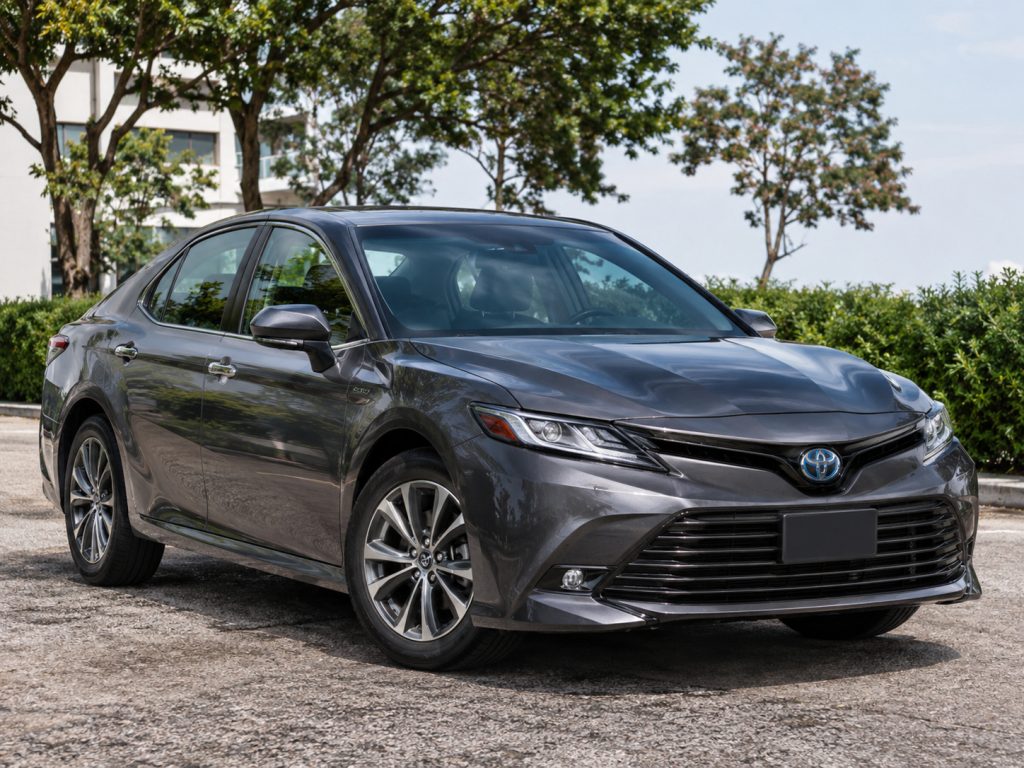
Even though the studies show it’s unlikely you’ll use it, I still buy an extended warranty for my cars. I aim to keep my cars for 10 years or longer, so I usually purchase coverage for the years after the manufacturer’s warranty runs out. I paid around $1,200 for my last one, and it covered major repairs on that vehicle. For me, the peace of mind is worth the extra cost.
When Should You Buy an Extended Warranty for Your Car?
A car warranty makes more sense if you keep vehicles well past the factory warranty, drive a brand with high repair costs, or don’t have savings. An extended car warranty is a good idea if you plan to keep your car long after the manufacturer’s warranty. You also drive an expensive car to repair and don’t have money saved up for a repair. Consumer Reports found that owners of Hondas, Subarus, and Toyotas were less likely to use their extended warranty.
Here are some tips if you choose to buy one:
- Compare prices. Compare prices with the manufacturer’s plan and see what others are offering. Don’t feel as if you have to buy one when you leave your first appointment with the dealer.
- Understand what you’re getting. Powertrain warranties won’t cover every problem your car has. According to Kiplinger, powertrain warranties don’t cover most car repairs.
- Haggle. Just like everything else at a dealership, haggle for a lower price. Go in knowing what other companies offer and ask them to lower the price.
- Know your state laws. Most states allow you to cancel an extended warranty within 30 days as long as you didn’t use the policy. This lets you shop around for a better deal without the dealership pressuring you.
- Don’t answer your phone. You often get these calls when your car warranty is about to run out. Chances are the callers aren’t even related to your car company or lender. The FTC says these calls come from other businesses.
If you decide not to get an extended warranty, try this tip from Consolidated Credit. Start paying yourself once you finish paying off your car.
The Bottom Line
Does it make sense to buy an extended warranty or save the money in a repair fund? It depends on the purchase and the warranty cost. Remember that many credit cards include a free extended warranty on most new electronics and appliances. With a repair fund, you’ll still have the money if you don’t file any claims, and since typical repairs are cheaper than the average warranty cost, you’ll still come out ahead if you have to pay to get something fixed.
If your product could fail, repairs could be expensive, and you don’t have money saved up, it may be smart to buy an extended warranty. With cars, it depends on what car you’re buying, how expensive repairs are, and how long you plan to keep it. But if that peace of mind matters to you, as it does to me, then yes, buy the extended warranty.
Our articles provide information purely for educational purposes and do not constitute financial, tax or investment advice. You should always consult with professionals like licensed financial advisors or accountants before making any decisions. We aim to provide up-to-date and accurate information, but we make no guarantees regarding the accuracy or completeness of any content. All our examples are provided for illustrative purposes and may not reflect your personal results. We are not liable for any losses or damages arising from your reliance on the information provided.
Sources
- Yale Appliance, Appliance Service 2026: Why Most Stores Skip It & How to Protect Yourself. Published August 16, 2026.
- ABC 30 Action News, Repair or replace broken appliances and electronics? Published January 20, 2014.
- Federal Trade Commission, Extended Warranties and Service Contracts. Published March 2023.
- ABC7 News, Consumer Reports Reveals Its Most Reliable Appliances. Published June 27, 2019.
- Chase, Extended Warranty Protection with Chase Sapphire. Accessed October 17, 2026.
- American Express, American Express Platinum Extended Warranty Plan Documents. Accessed October 17, 2026.
- WalletHub, What Are the Best Credit Cards With Extended Warranty Protection? Accessed October 17, 2026.
- Bankrate, Best high-yield savings accounts of October 2026 (Up to 4.27%). Published October 17, 2026.
- Consumer Reports, Extended Car Warranties: An Expensive Gamble. Published February 28, 2014.
- Consolidated Credit, Minimizing the Cost of Car Repairs. Accessed October 17, 2026.
- Federal Trade Commission, How to Steer Clear of Auto Warranty Scams. Accessed October 17, 2026.
- Insurify, Average Cost of Extended Auto Warranties (2026). Published December 5, 2025.
- Kiplinger, The Woes of Extended Auto Warranties. Published April 3, 2015.
- Cars.com, How Much Does an Extended Warranty Cost in 2026? Published May 20, 2026.
