



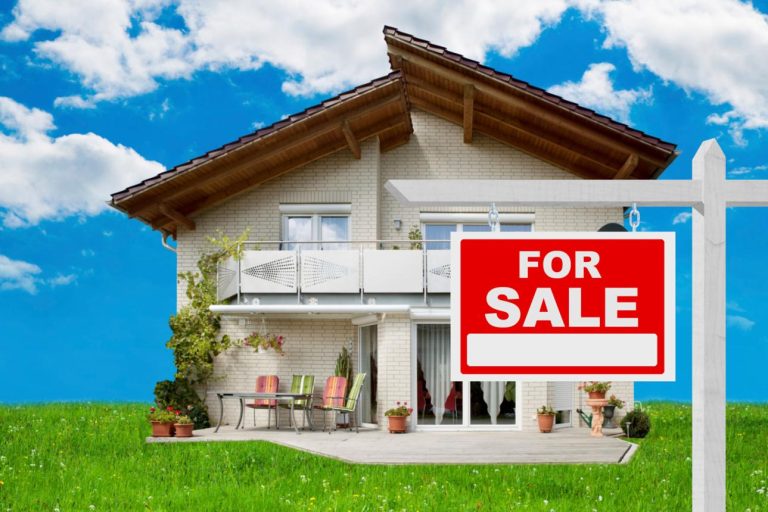
When purchasing a home there are several key considerations you should examine. There are many factors and criteria that you will use to make your decision and find your “perfect” house. Don’t rush the process – if it doesn’t feel right, don’t buy it. Here are 6 key things to consider.
1. Location
What is the neighborhood on the block like and what are the nearby areas? If you have or are planning to have children, is it family-friendly? Ask your agent about what the neighbors are like. Check the school districts to see if they are of good quality and have good reputations. You can even ask to visit the local schools and get a tour. You’ll also want to find out if there are parks nearby (if that’s important to you) and the proximity to shopping and restaurant options.
2. The Price
There are two key things to think about regarding the price. First and foremost, make sure you buy a house that you can afford – not only the mortgage payment but also the potential expenses for fixing and maintaining the property. Don’t get into a home that is too much for your means.
Second, you should determine the investment potential. Is the home a good value? Your agent can look at price comparisons, or comps, of recent sales of similar properties in the same area. If the asking price is significantly higher or lower than other properties, try to determine the reasons why and if they make sense. Also, look at the potential for investment growth. How have property values in the area changed historically? Have they increased in value over the most recent few years? The goal is to determine the future growth potential.
3. Existing vs. New Home
There are significant differences between buying a new home construction and an existing property. Some advantages of buying a new home include the potentially lower maintenance because the house and appliances are brand new. If you purchase a new construction before it has been completed, you may have the option to customize features and choose interior design options that meet your desires. If the new home has been built with energy-saving features and appliances, you will have lower costs over the years. The biggest drawback is that you will pay more for a new home of similar size and features to an existing home. With an existing home, you will get the property at a lower price, but it may require upgrades and updates, and more maintenance costs in the earlier years.
4. Space, Size and Amenities
When looking at the size of the property, you should consider both the size of the house and the acreage of the lot. Does it meet your current and future family needs? Are the number of bedrooms and bathrooms sufficient? The kitchen is usually an important consideration – is it big enough and has features and appliances that you want? Make sure the overall layout of the house is appealing to you. Also, consider all the other potential amenities, such as the type of heat and air conditioning, inground sprinklers, the condition of the major appliances, and other additional features.
The land surrounding the home is also an important consideration. Make sure the backyard and side yards are to your liking. Is there enough space to meet your needs and do you like the landscaping? Also, consider how close you are to your neighbors’ houses and if you are comfortable with the space between them.
5. Condition
What is the overall condition of the house and does it need much fixing up? Look at things like the flooring, quality of the windows, the roof condition, built-in lighting fixtures, electrical system, and energy efficiency. On the outside of the house, make sure the walkways and patios are in good condition. You’ll want to get a professional inspector to examine the home and provide a report about the house’s condition and recommendations for upgrading, if applicable.
6. Potential Negatives
Think about any potential issues that might impact your decision. How busy is the road that the house is on and are you comfortable with that? Is it very close to highly trafficked areas like stores or schools? If the home is near water, is it prone to flooding? Any damage to the house could be an indicator of more severe problems that are hidden.
FAQ
How do I figure out my budget for buying a home?
Aside from just the mortgage, you should account for taxes, insurance, maintenance and utilities. Home repairs and maintenance should be calculated at between 2% and 5% of your home’s total value. All these factors should come in at a number that doesn’t financially stress you too much as you should always have enough to be able to survive after anything truly unexpected.
Is pre-approval before house hunting important?
Yes, pre-approval gives you a clear understanding of what you can afford and shows sellers you’re a serious buyer. It can also help you move quickly in competitive markets, if you are bidding on a popular home, knowing your limits without needing to pause to crunch the numbers could give you the agility needed to come out on top.
How do I research the neighborhood before buying?
Visit the area at different times of day, check crime statistics, and explore local amenities. Talking to neighbors and researching future development plans can also provide valuable insight. It is important, however, to avoid becoming a bother before moving in. Friendly neighbor relationships can mean the difference between a happy home life and a tense interpersonal struggle.
If I don’t have kids, is the school district still important?
Potentially, yes. Even if you don’t have children, strong school districts can positively impact property values and resale potential. Homes in desirable districts tend to hold value better over time.
Do I really need a home inspection?
Yes, even newer homes can have hidden issues that aren’t visible during a showing. An inspection provides a professional assessment and can help you avoid costly surprises. Be sure to ask lots of questions with your inspector as there may be issues they simply don’t include in their report like non-structural problems such as signs of rodents or low water pressure.
What are some home inspection red flags?
Major concerns include foundation issues, roof damage, outdated electrical systems, a multi-decade old furnace or water heater and water damage. These problems can be expensive to fix and may affect the home’s safety or value.
After a home inspection, can I renegotiate?
Yes, you can request repairs, ask for a price reduction, or negotiate closing credits. The inspection report gives you leverage to ensure you’re making a fair deal. Don’t let emotional angles like a seller’s nostalgia or your love of the location or specifics of a particular home stop you from taking any issues found in the inspection seriously. The listed issues can end up costing you a whole lot of money down the road.
How do I know if a home will meet my needs years down the road?
Consider how your lifestyle may change over the next 5 to 10 years, including family size, work situation, and space requirements. Buying with future flexibility in mind can save you from needing to move again too soon.
The information provided on this website is for general informational and educational purposes only and should not be considered financial, investment, legal, or tax advice. While we strive to provide accurate and up-to-date information, we make no guarantees regarding the completeness, reliability, or accuracy of any content. Any financial decisions you make are your responsibility. You should consult with a qualified financial advisor, accountant, or other licensed professional before making decisions based on information found on this site.
Past performance is not indicative of future results. Any examples provided are for illustrative purposes only and may not reflect your individual circumstances. By using this website, you agree that we are not liable for any losses or damages arising from your reliance on the information provided.
