



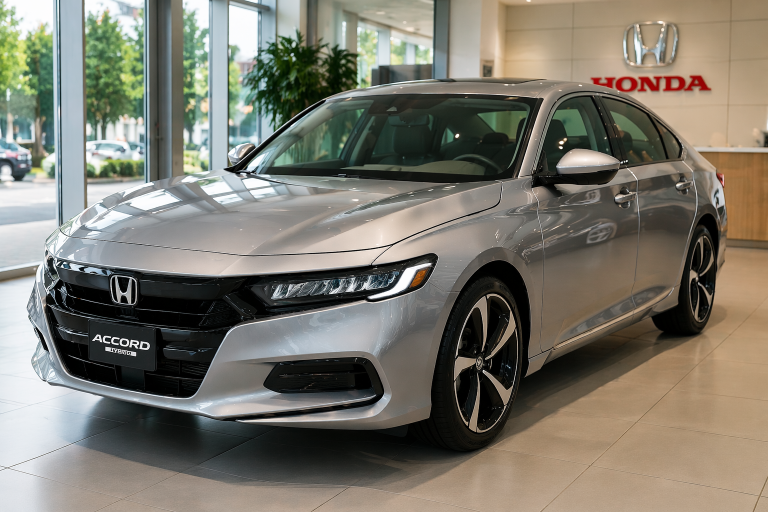
When shopping for a car, the biggest question you might ask is should I purchase or lease? Many factors will help you decide. Each option has its advantages and disadvantages, and I’m going to explore both in this article.
Advantages of Purchasing A Car
There are many reasons to buy a car. One of the biggest is that you are purchasing an asset that you own and can sell. Your monthly loan payments go towards something of value. Once you have finished paying your loan, you don’t have any more cash outflows. Buying a car is also cheaper over the long run than leasing, as long as you keep the car for enough years. If you keep it until it doesn’t make sense to keep repairing it, you will squeeze out the maximum value.
When taking a loan for a car, there are typically minimal upfront fees. You can decide if you want to make a down payment, which would lower your monthly payments. Most people understand the pricing of a loan – the higher the interest rate, the higher your monthly payment. Leasing pricing is more complicated and challenging to understand.
Another plus to buying is that you can drive unlimited miles. Buying a car is a better choice if you typically drive more than 10,000 – 12,000 miles per year. And you can customize your car, which you are unable to do when leasing.
Disadvantages of Purchasing A Car
Purchasing a car does have some downsides. Your monthly loan payments are usually higher than with leasing. Once your warranty expires, you’ll be responsible for all repairs, so your overall maintenance costs will be higher. If you’re the kind of person who likes to have the latest tech and car models, leasing is a better option – your car may become boring and outdated to you, so you’ll need to go through the selling process to get a new car.
Depreciation is a big challenge and affects your overall value. Once you drive the car off the lot, there is immediate deprecation. While you can research the anticipated long-term value of particular makes and models, there is no way of knowing what your car will be worth when you are ready to sell.
Car Purchasing Considerations
Since most people don’t shop for cars frequently, buying a car can be intimidating. Your first decision is whether to buy a new, certified pre-owned, or used car. A certified pre-owned car is sold by dealers who have done full inspections and made any needed repairs to a used car. It is typically more reliable than an uncertified car. With used cars your insurance costs will be lower though, so you’ll need to keep that in mind.
I recently bought a car after years of leasing. Timing is everything to negotiate an optimal price. During the pandemic, I knew dealers would be desperate for sales, so I was ready to pounce. I saw an ad for Audi that offered 0% interest for 6 years. I found a car offer online and was able to negotiate a price 20% below the sticker price. And I am very happy with this decision, as I will be enjoying the car for many years and know that I got a good financial deal.
Advantages of Leasing A Car
One of the most popular reasons to lease a car is that you get a new car every 2-3 years, which is fun and exciting for many people. You’ll be driving cars with the latest tech and safety features, and can typically afford a more expensive car than if you purchase. You can drive different makes and models over the years, and if you ever decide to buy, you’ll have the experience to help you make the best choice.
When leasing a car, it’s worry-free with regards to major repairs or defects, as the life of the lease is fully covered by warranty. Sometimes the dealer may offer to cover the cost of basic maintenance costs, like free oil changes or tire rotations.
The monthly payments for leasing a car are usually less than when purchasing because you’re not paying for the full price of the car, only the depreciation during the life of the lease. Leasing is also a good option if you drive less than 10,000-12,000 miles a year, as there are fees if you go over the specified mileage in a lease.
Disadvantages of Leasing A Car
Unlike buying a car, you don’t have any equity when you lease. You can’t ever recoup your payments through selling the car. And you can not get out of your lease early – you are obligated to the payments for the life of the lease. When buying a car, you can sell it at any time.
Your out-of-pocket payments upfront are usually higher when leasing, as often first month’s lease payment, security deposit, and other fees are required. Some dealers do offer “sign and drive” leases, where you can drive off the lot without any upfront payments. Lease pricing is more complicated than purchasing, and many consumers don’t understand how it’s calculated. A key factor is the price of the car in the lease – you can negotiate this down, just like when buying, to lower your monthly payments.
Over the long-term, if you continuously lease cars, it will be more expensive, as you are always making a lease payment. Other considerations are the limited miles, which is important if you drive a lot, and that you can’t customize or modify the car in any way.
Buying or leasing can be a challenging decision and is greatly affected by your financial goals and plans [link to blog]. You should carefully consider both options, and over time, you’ll make different choices at different stages of your life.
FAQ
What fees should I expect when buying a car?
On top of the purchase price, expect taxes, registration fees, dealer fees, and possibly extended warranties or add-ons
What fees are included in a car lease?
Leases may include acquisition fees, disposition fees, security deposits, and charges for excess wear or mileage when trading in a previous lease.
Is a down payment required for buying or leasing?
No, but putting money down can lower monthly payments. Leasing often requires more upfront costs than buying.
If my driving habits might change, is leasing or buying the better option?
Buying is more flexible since leases have strict mileage limits and wear and tear penalties.
What if I want to customize my car?
Buying is the better choice, as leases typically prohibit modifications.
When is the best time to get a deal on a car?
At the end of the quarter, or year when dealers are trying to meet sales targets you can often can get better deals.
Should I focus on monthly payment or total cost?
Assuming you can afford a slightly higher monthly cost, try to focus on total cost. Low monthly payments can hide expensive long-term terms.
Can I transfer my lease to someone else?
Some leases allow transfers, but approval and fees may apply. There are websites where you can offer your lease up for transfer to someone else.
What if I exceed my lease mileage limit?
You’ll pay a per-mile fee, which can add up quickly if you go significantly over.
What’s the biggest mistake people make when leasing?
Not understanding the full cost, including fees, mileage limits, and end-of-lease charges.
The information provided on this website is for general informational and educational purposes only and should not be considered financial, investment, legal, or tax advice. While we strive to provide accurate and up-to-date information, we make no guarantees regarding the completeness, reliability, or accuracy of any content. Any financial decisions you make are your responsibility. You should consult with a qualified financial advisor, accountant, or other licensed professional before making decisions based on information found on this site.
Past performance is not indicative of future results. Any examples provided are for illustrative purposes only and may not reflect your individual circumstances. By using this website, you agree that we are not liable for any losses or damages arising from your reliance on the information provided.
