




When you consider the high price tag of professional elderly care, it’s not surprising that many families are looking for a less expensive option. A Pew Research Center survey found that 11% of seniors wanted to live in a family member’s home. Only 1% wanted to be in a nursing home.
If you’re able to move your elderly parents into your home, it’s easier to watch over your parents, keep them company, reduce their stress, and save money in the process. But it also complicates your finances. You’re adding more people to your household and facing some difficult decisions.
Use my checklist below so you don’t overlook the important financial aspects to take care of when moving your elderly parents in.
Review Your Parents’ Finances Thoroughly
Before any real financial planning starts, you need a clear picture of your elderly parents’ finances. That information will help you figure out the resources you’re working with as a family, what legal documents you might need to create, and how to handle costs moving forward. I recommend checking these at a minimum:
- Bank statements to understand their monthly spending habits and spot income sources, such as Social Security, annuity payments, and pensions
- Investment account statements for 401(k)s, IRAs, brokerage accounts, and others
- Loan and credit card statements to understand their debt load and creditors
- Proofs of ownership for things like houses, cars, and businesses
- Credit reports to check for any unknown accounts or possibly overlooked identity theft
- Tax returns to understand your parents’ tax bill and have important documents for future assistance programs they might apply for
- Insurance policies for medical/dental/vision, long-term care, disability, life/final expense, auto, homeowners, etc.
Total your parents’ income sources, investment and bank account balances, and debts to better understand what you’re working with.
Some adult children spot a particular problem here, such as large debts in the parents’ names or too little retirement savings. You’ll need to work around that when you start making a budget and plan for the family. I also advise meeting with a financial advisor upfront about such issues.
Get the Legal Paperwork in Order
You and your elderly parents might not want to think about estate planning. But it’s important to protect you all legally and financially in this arrangement. I learned this the hard way when my grandparents didn’t have important legal documents and became incapacitated with dementia. This isn’t unusual since LegalZoom says over half of U.S. adults go without an estate plan.
While a lawyer can give you the best guidance here, the National Institute on Aging recommends these for estate, financial, and health care planning:
- Durable financial power of attorney that stays valid even after the parent becomes incapacitated and lets the designated person make financial decisions for them
- Durable health care power of attorney that designates you or another family member to make important medical decisions if your parents become incapacitated
- Will that clearly says which and how much of your parents’ assets go to whom, as well as what they’d like their final arrangements to be
- Living will addressing decisions about medical care in an emergency
- Living trust for certain situations, such as if your parents want to skip probate for property transfers in certain states
The Elder Law Group says that estate planning can cost about $2,500 to $4,500 total when you hire a lawyer. My family saved some money through free legal assistance for seniors. I also recommend looking for attorneys who might charge less depending on income. If you handle some of the documents yourself, I still recommend having a lawyer look them over.
Make a Monthly Budget for Your New Situation
After you’ve reviewed your parents’ finances, it’s time to consider how their move into your home will affect your monthly budget. That also means deciding how much they should chip in. Many families find this step awkward, but it’s important to make this all work financially.
Thankfully, some big expenses, like your mortgage payment, shouldn’t change as long as you’re not moving to a different place with your parents. That’s likely not true for utilities, food, personal care basics, gas, and cleaning supplies. Adding anybody to a household can raise those costs.
You might also have new expenses. Maybe your elderly parents need medications, clothing, a part-time home health aide, or hobbies to keep them engaged. At the same time, you might have less income coming in for yourself if you need to take time off to care for your parents.
WISER has a detailed monthly budget worksheet that I recommend. It considers both your own and your elderly parents’ monthly expenses and income sources. After you talk with your parents about how to split expenses, you can use that worksheet to add everything up and see how much income is left over each month.
Expect to make adjustments to the numbers as you learn what works for your family’s situation. The same goes for decisions about splitting expenses. I also recommend reading our “Sandwich Generation Survival Guide,” especially if you also have kids you’re supporting.
Account for Necessary Home Modifications
My grandparents didn’t have physical conditions that required changing the house. But many aging people have difficulty walking or need modifications so their adult children’s home is safe.
If either aging parent uses a wheelchair, you could spend $4,370 on average to remodel your home, according to Angi. And if the project requires widening a hallway, you might be looking at $30,000 to $40,000. Bathroom accessibility updates can run $3,000 to $25,000. Even smaller updates, like grab bars ($100 to $500) and better outdoor lighting ($2,000 to $6,000), add up.
You or your aging parents might not have to pay for all of this work out of pocket. Programs from Medicaid or the VA might help with renovations. There are also home equity loans and government financing programs, like FHA Title 1 loans. Plus, medical-related home improvements may qualify you for a tax deduction.
Think About Future Care Needs
Many adult children think they’ll take care of their elderly parents indefinitely. But many older adults eventually need professional care, even reluctantly. In my grandmother’s last few years, she needed 24/7 nursing care in a dementia unit.
The conversation can be tough. But ask your aging parents about where they’d want to go or how they’d like to be cared for if you can’t anymore. Depending on the situation, a move-in professional caregiver might work. Others might need assisted living or a nursing home.
CareScout says this professional elder care can run up to $10,798 a month (median). Many families don’t have this type of money. That’s where long-term care insurance or long-term Medicaid might help. The National Institute on Aging says Medicare, the VA, and state programs are also worth looking into, depending on the situation.
But your aging parents often still incur some out-of-pocket costs with these programs. There are also complicated limits and rules involved, which my family dealt with for Medicaid. Talking to our state’s agency on aging was helpful.
Research Possible Government Resources
I’ve already mentioned some of these, like Medicaid and VA programs. But your elderly parents might also qualify for food assistance, prescription discount programs, low-cost transportation services, Medicare premium discounts, and more benefits. These often go by income and age. I recommend taking advantage of any that save your family money.
USA.gov says you might even get paid to take care of your elderly parents at home. This usually is part of Medicaid’s programs and would essentially make you a paid caregiver. Qualifying can be trickier if you’re also working a job. Check your state’s rules to clarify that.
You also shouldn’t overlook IRS tax benefits for caregivers. Your parents might qualify as dependents if you’re providing more than half of their financial support and their gross income is very low ($5,200 in 2026). That could give you up to $500 for each parent with the Credit for Other Dependents. You might also qualify for a dependent care credit that helps offset paid care from others that your parents require.
Use My Checklist to Prepare for Your Parents’ Move
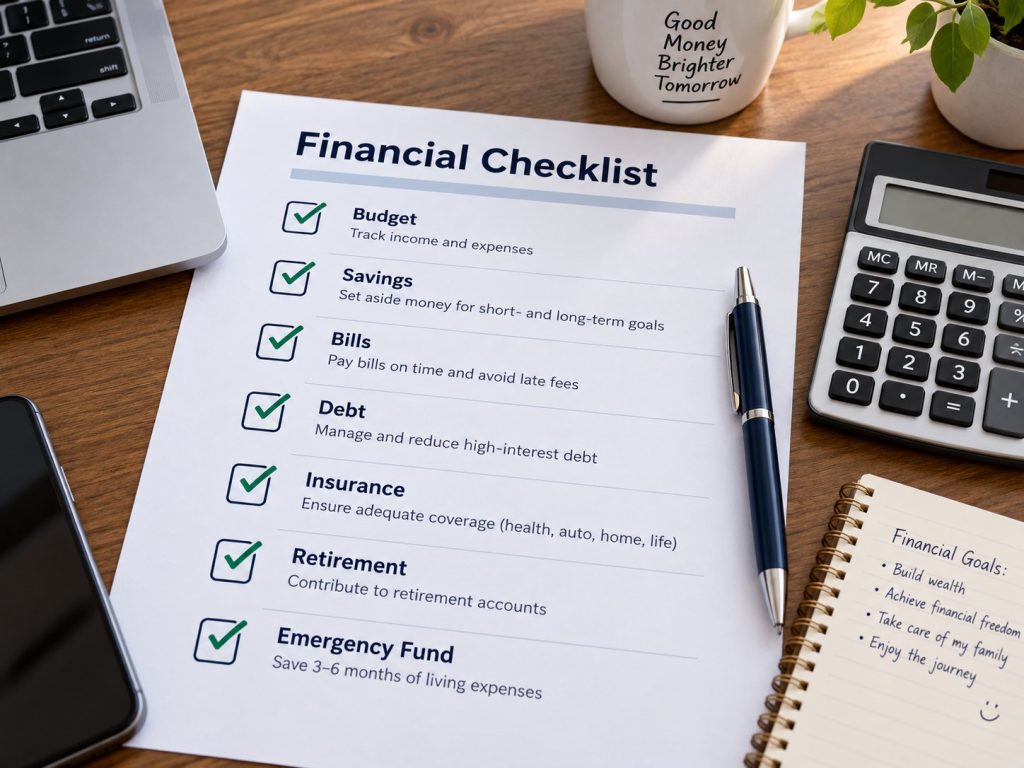
I’ve covered the main financial concerns that most people have when they’re moving their elderly parents into their homes. Since this can seem like a lot to remember, I’ve made this financial checklist that recaps the important items I listed in each section.
As a final note, remember that every family’s situation is different. Even if you do most of this planning yourself, it’s worth going with your elderly parents to a financial advisor, elder law attorney, and other professionals who can help you make the right decisions.
FAQ
What financial mistake do adult children often make when moving their elderly parents into their home?
Many adult children think they can handle more than they actually can. Even if elderly parents are mostly independent at first, they might later require care that is too difficult or too expensive for their adult children to manage. Keeping expectations realistic and making a backup plan for your parents is essential.
How can I save money after my elderly parents move in?
Your expenses may go up after they move in, but taking advantage of any assistance programs may help add some room in your budget. Having them chip in for costs, getting tax credits, cutting back on luxuries, and buying food in bulk might also help.
Does caring for elderly parents affect how much life insurance I need?
You’ve got more people depending on you, so yes, it can. You might want more coverage so that your parents have enough financial support if they outlive you. Without you to help, they might need expensive full-time professional care. I’d say to speak with a life insurance agent.
Our articles provide information purely for educational purposes and do not constitute financial, tax or investment advice. You should always consult with professionals like licensed financial advisors or accountants before making any decisions. We aim to provide up-to-date and accurate information, but we make no guarantees regarding the accuracy or completeness of any content. All our examples are provided for illustrative purposes and may not reflect your personal results. We are not liable for any losses or damages arising from your reliance on the information provided.
Sources:
- https://www.pewresearch.org/short-reads/2026/02/26/most-older-adults-who-live-at-home-want-to-age-in-place-but-they-arent-entirely-confident-theyll-get-to/
- https://www.nia.nih.gov/health/long-term-care/paying-long-term-care
- https://astongardensatpelicanpointe.com/blog/checklist-for-taking-over-parents-finances-during-aging-transitions
- https://www.nia.nih.gov/health/advance-care-planning/getting-your-affairs-order-checklist-documents-prepare-future
- https://blog.massmutual.com/planning/financial-considerations-of-parents-moving-in-with-their-kids
- https://investors.legalzoom.com/news-releases/news-release-details/more-half-americans-have-no-estate-plan-new-legalzoom-data-shows
- https://www.theelderlawgroup.com/news/pricing
- https://www.caregiver.org/resource/what-every-caregiver-needs-know-about-money/
- https://www.nahb.org/education-and-events/credentials/certified-aging-in-place-specialist-caps/additional-caps-resources/aging-in-place-remodeling-checklist
- https://www.carescout.com/cost-of-care
- https://www.ohiohelps.org/Home/SearchByCategory?categoryName=HomeandVehicleModifications
- https://www.angi.com/articles/how-much-does-it-cost-make-my-home-handicap-accessible.htm
- https://wiserwomen.org/wp-content/uploads/2020/06/monthly_Budget_Worksheet_2020.pdf
- https://www.irs.gov/faqs/irs-procedures/for-caregivers
- https://www.usa.gov/disability-caregiver
