



When deciding where to put your money for easy access, common choices are checking and savings accounts. There are many differences between the two types of accounts and in this article, I’ll explain each of their features, most appropriate uses and how to find the best banks to open accounts with.
Checking Accounts
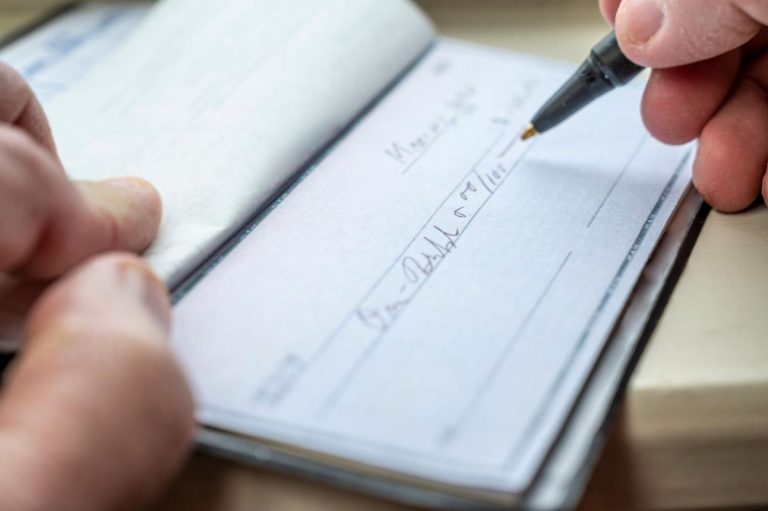
A checking account allows you to make withdrawals, pay bills and make deposits. A key feature is the ability to write paper checks, whether it’s to pay a bill or pay an individual directly. You can also make bill payments online, which is safe and secure, as long as you work with a reputable bank. With online bill paying, the money is sent to the merchant by the bank without the need to write a paper check and mail it out. You can pay bills for any type of business, whether it’s an auto loan, mortgage payment, or payment to a store; you can even make payments to individuals. Many banks will automatically import your bill from well known stores and merchants. Another great capability of online bill pay is that you can set up automatic payments and schedule them at any frequency such as weekly or monthly. This is great for bills that are the same amount every time, like mortgages or auto loans. Just “set it and forget it”.
Debit Cards
With a checking account, you will get a debit card which can be used to make withdrawals or deposits at an ATM and make payments in stores or online, just like a credit card. Most banks will charge you an ATM fee when you use your debit card at an outside bank, so you will typically want to use a bank that has local branches that you can access.
When you use your debit card to make a payment, the money is deducted from your checking account balance, unlike with a credit card, which will charge interest if you don’t pay off your balance within 30 days. Always make sure you have enough money in your account before making a debit card payment, or the transaction will get denied and you could be subject to overdraft fees. Debit cards usually offer some level of fraud protection, be sure to check your bank’s policy on these. I once had some fraudulent charges on my checking account and was able to get the money back from my bank.
Interest Earning Accounts
Checking accounts traditionally don’t earn interest rates, but there are more and more banks that offer interest paying accounts; you can check your local bank branches to see if they offer this. You can also look on sites like bankrate.com for the highest earning checking accounts, and you can often open an account online, but if it’s not a local bank, you may be subject to ATM fees. Checking accounts with interest rates may have certain requirements, such as minimum deposits.
Other Key Features
- May be subject to fees, such as when you drop below the minimum balance or overdraw your account with a check or debit card payment.
- With online account access on your computer or your phone, you can easily monitor your account activity and balance.
- Many banks will integrate your transactions with money management apps or programs, such as Mint or Quicken.
- Send money to individuals electronically with payment apps like Zelle or PayPal
- Money is insured by the FDIC (Federal Deposit Insurance Company) up to $250,000
- Make check deposits on your phone (which avoids the need to go to a branch), visit the branch or deposit at an ATM
- Direct Deposit, which will automatically deposit your paycheck to your account
A checking account is a necessity for making payments and has many great features and options. Shop around for the best accounts at your local bank branches or look online if you want to find higher interest earning accounts.
Savings Accounts
Savings accounts are ideal for money that you might need quick access to, such as emergency funds, and are very different from checking accounts. A key difference is that they earn higher interest rates than checking accounts, although less than other vehicles such as CDs or money market funds [link to blog]. You can find high paying savings accounts at bankrate.com or check out your local bank branches.
Unlike checking accounts, you don’t get a debit card or paper checks. You can however make online bill payments with your savings account at many banks. You can also easily transfer money from your savings account to your checking account, so you can earn high interest in your savings account and move money to checking as you need it. Like checking accounts, you can access your account online or on your phone, but to make withdrawals, you typically have to visit your local branch. Your money is FDIC insured.
Both savings and checking accounts are important to have. When deciding which bank to use, look to find reputable banks that also have the best features. Make sure to manage your money between your savings and checking accounts to earn the most interest!
FAQ
Do I really need both a checking and a savings account?
Generally speaking, yes. A checking account handles everyday spending, while a savings account is better for setting money aside. Using both helps keep your finances organized and makes it more difficult to over-spend.
Can I have both accounts at different banks?
You can, and some people do this to get better interest rates or features. Just keep in mind it may take a day or two to transfer money between them.
What should I use my checking account for?
It’s best for daily activity like paying bills, making purchases, and handling deposits. Think of it as your main working account.
What should I use my savings account for?
Savings is better for money you don’t plan to spend right away. It’s commonly used for emergency funds or short-term goals.
Is it okay to move money between accounts often?
Yes, but frequent and/or high amount transfers from savings can sometimes be limited depending on the bank. It’s something to be aware of when managing both accounts. Moving money around too often also defeats the purpose of having a savings account. Try to leave that money where it is as much as you can.
Is it worth looking for a high-yield savings account?
It can be, especially if you keep a larger balance. Even a slightly higher rate can add up over time and knowing that can help you resist the urge to dip into those savings.
Can I access my savings account whenever I want?
You can view and transfer money easily online, but withdrawals may be more limited than checking. Some banks require transfers rather than direct spending.
Is mobile banking reliable?
Most banks offer solid mobile apps that let you check balances, transfer money, and deposit checks. It’s become one of the easiest ways to manage accounts and there are even banks that work entirely online.
Should I automate transfers to savings?
That can make saving much easier. Setting up regular transfers helps build your balance without having to think about it, but make sure you aren’t transferring so much that you risk over drafting during lean times.
The information provided on this website is for general informational and educational purposes only and should not be considered financial, investment, legal, or tax advice. While we strive to provide accurate and up-to-date information, we make no guarantees regarding the completeness, reliability, or accuracy of any content. Any financial decisions you make are your responsibility. You should consult with a qualified financial advisor, accountant, or other licensed professional before making decisions based on information found on this site.
Past performance is not indicative of future results. Any examples provided are for illustrative purposes only and may not reflect your individual circumstances. By using this website, you agree that we are not liable for any losses or damages arising from your reliance on the information provided.
