



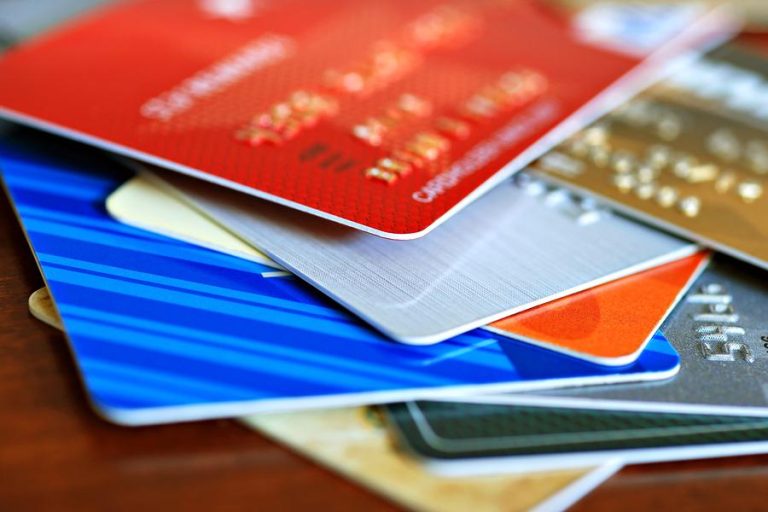
Some financial gurus out there may want you to believe that credit cards are evil. Personally, I believe that they are powerful tools that can help you if you know how to use them wisely.
If you don’t use them correctly, you could end up in a spiral of debt. Although if you learn the different ways to use them, they could give you a bunch of wonderful perks. Yes, you heard me correctly. The trick is to be disciplined with using your credit cards so that you can reap the benefits of having a boosted credit score (which comes in handy when you’re seeking a loan), earn cashback or loyalty rewards, receive protection from fraud, and even enjoy some insurance coverage.
Don’t let credit cards scare you. Know that you can use them to your advantage by following the tips I share with you. Given that Americans carry $1.28 trillion in credit card debt (according to the Federal Bank Reserve of New York), let’s take a look at new strategies that could be suitable for you.
Choosing a Credit Card
There are plenty of options when it comes to selecting a credit card . Ideally, you want to find one that matches your lifestyle. If you like earning money on your purchases, you can opt for a cash back credit card. Or, if you like visiting different places around the world, a travel credit card may suit you. Maybe you have a low credit score, and you want to repair it by using a secured credit card (which usually requires a security deposit). It all comes down to personal taste.
Once you choose one, test it out and see if it meets your expectations. After trialing it for some time, you may find it satisfactory. Or you might come across a new credit card that offers better perks. Remember, you can always switch to a different credit card later on.
Assign a Purpose to Each Credit Card
If you plan to borrow money in the future to buy a home or car, you need a good credit score. One way is to have a credit card, which can prove that you’re responsible for repaying the money you borrow from the lender.
Some people rely on just one credit card to make purchases. That may be appropriate for those who want simplicity or don’t make that many purchases throughout the year.
A more advanced strategy is to have multiple credit cards that are dedicated to different types of purchases. A family of four, for instance, might assign its credit cards in the following manner:
Each person has an individual credit card to make their own purchases. They might even have two separate cards: one for online purchases and the other for in-store purchases.
Joint credit card for shared household expenses (such as utilities or groceries). Since they have a family-owned business (a local bakery), they have a dedicated business credit card to track their ongoing expenses. Last but not least, this family uses a travel credit card to earn free flights and hotel stays during their annual vacations.
In my experience, this sophisticated credit card system works well for our household because we’re able to direct purchases to credit cards that optimize our rewards. However, it does require managing multiple cards simultaneously. If possible, you can set up autopay so your credit card bill is paid on time without you having to pay it manually every month.
Stack Your Rewards
Some credit card enthusiasts like to gamify their rewards by stacking discounts, points, or cash back offers. It can be a fun and motivating way to see how much you can save or earn from your everyday purchases.
A well-liked strategy is to buy gift cards online (from a reputable website) at a discounted price. You can use it towards your purchase at the chosen retail store.
Another technique is to use coupon or cashback apps or browser extensions that automatically find discount codes for you and ensure you receive cashback on your qualifying purchases.
Then you want to use the appropriate credit card to earn rewards based on what you’re buying.
Now, let’s put this all together by going through a scenario:
You decide to buy a discounted gift card for a clothing store. Since it’s back-to-school shopping season, you use the gift card to buy a brand new outfit for your teenager. You search for a coupon code and apply it on the checkout webpage. You also have a web browser widget that helps you earn 2% cash back at this highly-rated online store. Lastly, you decide to use a credit card that gives you points on your purchase. Since you met the minimum order requirement, you score free shipping (high-five)! Overall, it’s a win-win situation and is what savvy shoppers do. As you can see, being smart about how you use your credit card can benefit you.
Personally, I’ve used this stacking method time and time again. It’s been a great way for our family to earn tons of rewards over time.
Read The Fine Print
It should go without saying, but it’s important that you read the terms and conditions when you sign up for a new credit card. It might seem tedious, but you want to understand the fees and what type of perks you could receive, which may include travel benefits, insurance coverage, loyalty points, or fraud protection.
Let’s say you’re about to go on a trip abroad. Be sure to read the credit card’s terms to see if you’re eligible for trip cancellation insurance, lost baggage, trip interruption, flight delays, rental car discounts, and emergency medical coverage. If you have an elite credit card, you might even have exclusive access to airport lounges and hotel stays.
Improve Your Credit Score
At some point, you’ll likely need to borrow money. It could be for a student loan, auto loan, line of credit, or a mortgage. To be eligible for a better interest rate on your loan, you need to have a good credit score. Fortunately, using a credit card correctly can help you boost your credit score.
You may be familiar with these methods, but let’s review them as they could serve as a refresher. First of all, you want to ensure you don’t max out your credit card. That’s because credit bureaus use what’s called a credit utilization ratio, which determines the percentage of the available credit that you’re currently using. You want to keep it below 30% ideally. So, if you have a $1,000 credit limit, then you want to keep your usage to under $300.
Don’t just pay the minimum balance. Otherwise, your debt will be charged a high interest rate every month. It’s usually about 20%, but it could be higher or lower, depending on the type of credit card you have. Preferably, you should make payments on time and in full every month.
Be sure to check your monthly statement to ensure that all transactions are correct. If you find any suspicious activity, be sure to investigate and contact your credit card provider. You don’t want to be a victim of identity theft or fraud.
FAQ
How do you use a credit card without harming your credit score?
Don’t max out your credit card and keep your credit utilization ratio below 30%. Pay your credit card in full and by the deadline. Check your statements to ensure there’s no fraudulent activity. If your credit card is lost or stolen, you can freeze it and report it to the credit card company. These sound habits will maintain or improve your credit score over time.
Do I need to pay my credit card balance in full every month?
Yes, you should aim to pay off your credit card balance on time and in full every single month. If you don’t, any remaining balance will start accruing interest. Since credit cards are notoriously known for high interest rates, it’s a good strategy to have a zero balance.
What happens if I miss a credit card payment?
In the short-term, you’ll see interest charges and possibly a late fee. Over the long-term, it could hurt your credit score, and you might see your APR rise as well. You should at least pay the minimum balance and contact your credit card provider to negotiate a payment plan.
The information provided on this website is for general informational and educational purposes only and should not be considered financial, investment, legal, or tax advice. While we strive to provide accurate and up-to-date information, we make no guarantees regarding the completeness, reliability, or accuracy of any content. Any financial decisions you make are your responsibility. You should consult with a qualified financial advisor, accountant, or other licensed professional before making decisions based on information found on this site.
Past performance is not indicative of future results. Any examples provided are for illustrative purposes only and may not reflect your individual circumstances. By using this website, you agree that we are not liable for any losses or damages arising from your reliance on the information provided.
Sources:
- https://www.linkedin.com/posts/kevinolearytv_credit-cards-arent-evil-bad-discipline-ugcPost-7398043681229848576-zuxe/
- https://www.capitalone.com/learn-grow/money-management/tips-using-credit-responsibly/
- https://nomoredebts.org/credit/how-to-use-credit-card
- https://harvardfcu.org/blog/six-ways-to-use-your-credit-card-responsibly/
- https://www.consumerfinance.gov/about-us/blog/6-tips-using-your-credit-card-season/
- https://www.transunion.com/blog/credit-advice/how-to-use-a-credit-card-responsibly
- https://www.equifax.com/personal/education/debt-management/articles/-/learn/credit-utilization-ratio/
- https://www.newyorkfed.org/microeconomics/hhdc
https://www.forbes.com/advisor/credit-cards/how-to-choose-a-credit-card
