




Managing a large medical debt alongside building your wealth can be challenging. It’s a widespread issue amongst Americans. This balancing act can cause emotional and financial strain on you and your loved ones. However, there are ways to manage both simultaneously.
Three in four Americans live with at least one chronic illness, according to the U.S. Centers for Disease Control and Prevention (CDC). Plus, over half have two or more chronic conditions.
There are many types of chronic diseases in the United States. Heart disease and stroke, diabetes, obesity, cancer, Alzheimer’s disease, epilepsy, and tooth decay are the most common types. Here, we’ll discuss ways to manage substantial healthcare costs and accumulate wealth to achieve your financial goals.
Reduce Your Medical Debt
Research by the Kaiser Family Foundation (KFF) shows that around 14 million people in the United States have more than $1,000 in medical debt. Furthermore, 3 million adults owe more than $10,000 in medical debt. Fortunately, there are ways to help pay for medical care.
There are several government programs available to assist with medical care. Your eligibility will depend on factors such as age, employment status, income, and the type of health issue. Based on your circumstances, you might qualify for Medicaid, Medicare, the Affordable Care Act (ACA) / Health Insurance Marketplace, Children’s Health Insurance Program (CHIP), and the Consolidated Omnibus Budget Reconciliation Act (COBRA).
Another option is to receive financial assistance from charity care. Non-profit hospitals must offer this by law. You can apply to this program through your hospital or doctor who is providing your medical treatment.
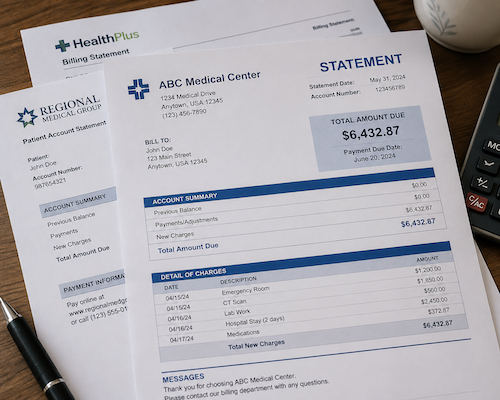
Ask for an itemized invoice to ensure that there are no billing errors. If you find any mistakes, be sure to report them and have them corrected. Find out if there are flexible payment plans. Your provider may offer interest-free or low-interest payment plans. This will help spread your payments over time. Don’t forget to have your agreement in writing so there’s a paper trail.
If you pay for prescription drugs, you can ask the pharmaceutical company about samples, discounts, or low-cost options. Research to see if there’s a generic drug available that could be significantly cheaper than the name-brand drug. If you qualify for Medicare, you may also receive assistance in paying for your prescription medications.
Managing debt on your own can feel overwhelming. You have the option of connecting with a credit counseling service. They may be able to help reduce your interest rates, waive certain fees, and build a debt repayment plan for you.
Preserving Your Physical and Mental Well-Being
Carrying a large amount of medical debt can bring about feelings of stress and anxiety. For those who owe thousands of dollars, it can take a toll on their mental health. So, it’s important to take care of yourself.
A measure you can take is to leverage the Americans with Disabilities Act (ADA). Under this act, employers must provide reasonable accommodations to those with disabilities. You can make these requests at your workplace to remain employed and continue earning steady paychecks.
Another way to cope with your situation is to reach out to a therapist so you can talk about your feelings. Sometimes all you need is someone who can support and listen to you. Remember, you don’t need to feel isolated and alone in dealing with this challenging situation.
According to the World Health Organization (WHO), 1.8 billion people are at risk of disease from insufficient physical activity. A sedentary lifestyle may lead to long-term illnesses. If you’re able to, try to incorporate some physical activity into your daily routine to improve your health.
Utilize Disability and Tax Strategies
There are several strategies you can use to help lessen the financial burden you’re facing with your medical care.
Use your High-Deductible Health Plan (HDHP) by maxing out your contributions to your Health Savings Account (HSA). What’s great about HSAs is that the growth is tax-free, withdrawals used for medical costs are tax-free, and your contributions are tax-deductible.
If you are unable to work, you may be eligible to apply for these federal programs managed by the Social Security Administration (SSA):
- Social Security Disability Insurance (SSDI) provides monthly payments to people with a disability who are unable to work. Eligibility depends on your work history.
- Supplemental Security Income (SSI): Provides monthly income to people with disabilities or older adults with limited income and minimal financial resources.
You can also explore short-term and long-term disability insurance benefits either through your workplace or through private insurance. Find out what is covered and take advantage of any benefits that are available to you.
If you have healthcare debt under $500, Equifax, TransUnion, and Experian typically don’t include it on your credit report. You can retrieve a copy of your credit report and review it to ensure that it’s accurate.
Building Your Wealth
Trying to manage your debt load and ensure you have a sound financial nest egg can be daunting. The good news is that you can lean on professionals for guidance. It may be beneficial to speak with a financial planner, such as a tax advisor or financial counselor. They can provide tailored advice to help you manage your debt load and work towards your financial goals. Plus, if you have a sizable net worth with various assets and properties, it’s prudent to have an estate plan to have your wishes carried out properly.
Be proactive and consider talking to a lawyer who can help you with legal documents. Having a Will, Power of Attorney, and Healthcare Proxies can help ensure that you and your loved ones are protected if something unexpected were to happen to you. Many families delay seeking proper legal advice, but doing so can save them a lot of emotional and financial turmoil down the road.
Have an emergency savings fund to help cover ongoing medications and treatments. You might also want to set aside extra money in case you need to purchase medical equipment or supplies in the future. That way you don’t have to rely on expensive loans or credit, which can quickly get out of hand if you’re not careful with taking on additional debt.
FAQ
What is considered a chronic illness?
Chronic diseases are a broad term that includes health conditions that typically last more than a year and need regular medical attention. They may also restrict your daily activities or lifestyle. Cancer, diabetes, and heart disease are a few examples of chronic illnesses.
How should I protect myself financially if I have a medical condition?
Consider obtaining health insurance and life insurance (such as term or permanent). Come up with a payment plan to gradually pay down your medical debt. It’s wise to have an emergency savings fund for unexpected medical bills.
What legal documents should I have in place to protect my loved ones?
If you become unable to make your own decisions or your health declines, it’s important to have proper legal protection. Consider obtaining a Will, Power of Attorney (POA), and a healthcare proxy so that your wishes and estate are handled properly.
What are some ways to pay down my medical debt?
Request an itemized bill to ensure charges are accurate. Find out if there’s a payment plan and negotiate the fees. Check your state’s Medicaid program for coverage and find out if your hospital provides any financial assistance.
Our articles provide information purely for educational purposes and do not constitute financial, tax or investment advice. You should always consult with professionals like licensed financial advisors or accountants before making any decisions. We aim to provide up-to-date and accurate information, but we make no guarantees regarding the accuracy or completeness of any content. All our examples are provided for illustrative purposes and may not reflect your personal results. We are not liable for any losses or damages arising from your reliance on the information provided.
Sources:
- https://www.afcpe.org/news-and-publications/the-standard/2017-2/chronic-illness-and-financial-plans/
- https://www.healthcentral.com/article/the-stress-of-financial-debt-with-chronic-illness
- https://www.cdc.gov/chronic-disease/data-research/facts-stats/index.html
- https://www.gaucherdisease.org/blog/7-financial-tips-people-with-chronic-disease/
- https://www.kff.org/health-costs/the-burden-of-medical-debt-in-the-united-states/
- https://www.who.int/news/item/26-06-2024-nearly-1.8-billion-adults-at-risk-of-disease-from-not-doing-enough-physical-activity
- https://www.usa.gov/help-with-medical-bills
- https://www.ada.gov/
- https://www.ssa.gov/ssi
- https://www.ssa.gov/disability
