



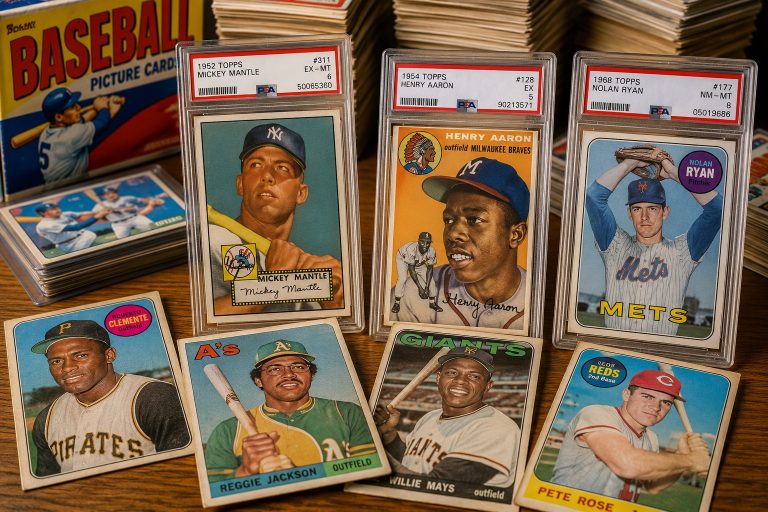
When people think of investing, trading stocks online or having money regularly transferred to a 401(k) often comes to mind. However, hobby asset investing is becoming more popular as a more interesting way to grow your money. Rather than having your investments in an account unseen somewhere, you can invest in physical items associated with hobbies you enjoy.
This alternative can be a nice supplement to traditional investments. And for some, it can even offer impressive returns. But before you jump into investing in hobby assets, I recommend understanding how it’s different from trading stocks. Let’s walk through the basics of hobby asset investing.
How Does Hobby Asset Investing Work?
With hobby asset investing, you put your money into physical items you personally are interested in and passionate about. You do this while speculating that the values of those items grow over time. When the right time comes, you’d sell your hobby assets to others who want them. And hopefully, you make a decent profit after taxes and other costs.
Like when you’re investing in stocks, supply and demand play a role. Hobby assets typically become more valuable when those items are scarce and many people want to buy them. Plus, stock investing and hobby asset investing both rely on choosing something likely to be profitable and successfully sold to someone else at the exact time you want.
But hobby asset investing is unique in some ways:
- Complex valuation. What makes something rare or special can be complex. For some things, it’s related to history, age, or limited-edition status. Some of these can also change over time. Ultimately, the values of similar items can vary widely.
- Condition. Since you’re dealing with something tangible, the value of your collectibles depends on condition. Getting your hobby asset professionally graded is common, and a “mint” version may be worth dramatically more than a slightly blemished one. Plus, many buyers also want to know about past ownership for trust reasons.
- Selling: Rather than clicking a button to sell a stock, you’ll need to sell and physically hand over the collectible to a willing buyer, who might take longer to find. You might do this on online platforms like eBay, sell your items at hobby shows, or be a private dealer.
What Are Popular Hobby Assets for Investing?
If there’s demand, you can turn just about any hobby asset into an investment, such as:
- Trading cards, such as Pokémon and baseball cards
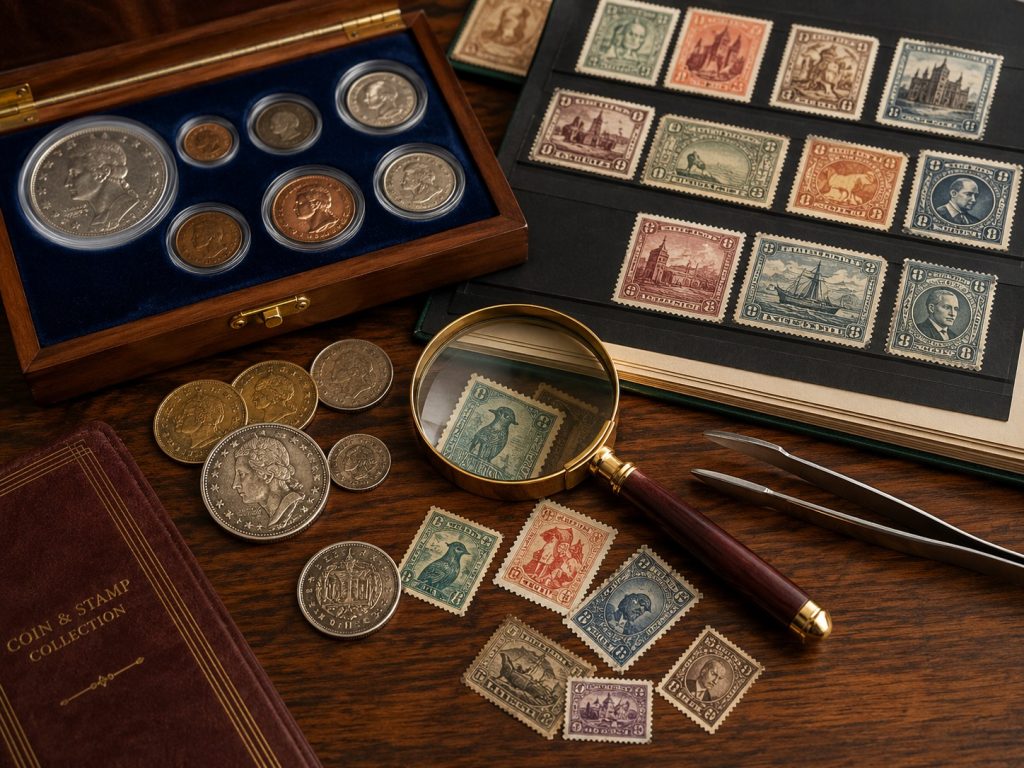
- Rare coins and stamps
- Fine art, such as sculptures and paintings
- Figures (action or Funko Pops) or stuffed animals (Beanie Babies)
- Vintage wine and whisky
- High-end watches
- Retro games
- LEGO sets
- Rare books, including first editions, limited releases, and signed versions
- Classic vehicles
What Kind of Returns Do People Get?
A reason for hobby asset investing’s popularity is that the returns can be very high. People like that when they’re worried about inflation and want something that might beat the traditional market. But that’s only if you’re lucky and choose an item that people will pay a premium for.
A Kiplinger article listed several products that had seen three- and four-figure returns each year. Those include certain Hot Wheels cars, Monster High dolls, and Funko Pop figurines. And in the rarest cases, certain comic books and trading cards that cost $1.50 or less to buy back in the day ended up being worth millions of dollars decades later. That sounds more promising than a 10% stock return.
But other hobby assets are less promising. Their values might drop because fewer people want to buy them. Sometimes, too many of these assets also flood the market, which takes away the “scarcity” appeal that makes them valuable. According to USA Luxury Watches, this is the case right now for some Rolex watches.
As a collector, the returns I’ve gotten have been mixed. I’ve sold some LEGO sets for twice or more their worth. But many of the cards I have are too common, so I’m lucky to get a dollar each. Then, payment and shipping fees cut into my return.
Are There Other Benefits?
Whenever you’re adding something different to your portfolio, there’s a major upside since you get some more diversification. It’s never good to have all your money locked up in one thing that could crash quickly and leave you financially hurt. But hobby asset investing is even more unique since these collectibles aren’t impacted much by what happens to stocks or bonds. That could give you some peace of mind.
What also makes hobby asset investing nice is that you can put your money in something you’re actually passionate about and get personal enjoyment from. A stock often sits in your investment account for years untouched. But you can display and hold a trading card or fancy watch.
And if you like to research and share your knowledge, hobby assets can be quite fulfilling. For example, trading card collectors meet up at my local mall every month and share their passion. That’s all while they’re trading certain cards with each other and selling others for a profit.
Why Is Hobby Asset Investing Risky?
As I mentioned before, not all hobby assets are going to make you a lot of money, and some could leave you with a loss. You have to consider the economics behind this type of investing. Hobby asset investing can seem like a gamble since you’re hoping your specific item will increase in value. You need the combination of high demand, limited supply, and good value when you’re ready to sell.
Some collectibles people buy aren’t trendy for long. So, you risk losing money or not selling your item. I think back to the Beanie Baby crash and the more recent Labubu doll craze. Many people rushed to buy these collectibles when the interest was high. Sadly, many of them were hurt when resale prices quickly dropped.
You also have to consider the hassles of storing and maintaining physical things. If it’s something small, space might not be an issue. But you’ll still need to protect your items from damage or theft. Plus, your standard homeowners insurance doesn’t always cover your hobby assets. You might need special coverage, as Progressive warns.
Getting Started With Hobby Asset Investing
If you’ve decided that investing in hobby assets may be a good way to diversify, I recommend following these steps:
- Don’t skimp on research. Unless you’re buying collectibles solely for enjoyment, learn about what makes certain assets valuable and what they’re currently selling for. I’ve used eBay to look at past sales of collectibles, but it’s not foolproof. Also check with auction sites, hobby forums, and other sources for more data.
- Don’t act on hype. Just because something is popular doesn’t mean you should buy it. You don’t want to lose money or be stuck with the item. Also, buying when prices are up affects your profits later.
- Inspect carefully. Since condition and authenticity are so important, don’t buy a hobby asset without looking it over carefully and having it professionally graded when needed. And as I’ve unfortunately learned, fakes are common and can trick the average person.
- Protect your hobby assets. Since disasters can happen, you should store your hobby assets as safely as possible to protect their value. Try to keep them off the floor, and consider a fireproof safe for smaller things. Also, know what can damage your specific item. That might be the sunlight or humidity, for example.
- Sell at the right time. The advice on hobby asset investments is mixed since it’s less clear how a certain item’s value will change. Long-term investing can make sense for things like artwork and vintage toys. But you might prefer holding hype-related hobby assets, like cards and figures, for a shorter time to cash in before they crash.
- Plan for taxes. Many hobby asset investors don’t know that the IRS taxes collectible-related gains differently from typical stocks and bonds. You could pay up to 28% if you sell hobby assets a year or more later, or up to 37% if you sell sooner.
- Get professional input. I don’t recommend starting with hobby asset investing without discussing your plans with a financial advisor. They can help you figure out how it fits in with your other investments to help minimize the risk you’re taking on. Also, I would never recommend making these alternative investments your main strategy.
FAQs
How can I reduce the risks of investing in hobby assets?
Know the market and talk to experts before you buy a collectible for investment purposes. Don’t let hobby assets make up too much of your portfolio. Also, walk through your plans with a financial advisor who knows your situation and current finances.
What’s the best way to find the value of a hobby asset?
A professional appraiser is usually best, but you might pay a fee. The next best option is looking at recent sales online. Always make sure it’s the same item in the same condition.
Can I write off hobby asset investing losses on my taxes?
It depends on whether the IRS decides whether your activities are a hobby or a business. You usually can’t write off hobby-related losses. A tax professional can help you figure it out.
Our articles provide information purely for educational purposes and do not constitute financial, tax or investment advice. You should always consult with professionals like licensed financial advisors or accountants before making any decisions. We aim to provide up-to-date and accurate information, but we make no guarantees regarding the accuracy or completeness of any content. All our examples are provided for illustrative purposes and may not reflect your personal results. We are not liable for any losses or damages arising from your reliance on the information provided.
Sources:
- https://www.cnbc.com/2023/11/21/toy-collectors-turn-hobby-into-an-investment-opportunity.html
- https://www.consumerscu.org/blog/the-risks-of-investing-in-collectibles
- https://www.portebrown.com/newsblog-archive/investing-in-collectibles
- https://wealthgenadvisor.com/art-and-collectibles-as-an-investment-class/
- https://blog.massmutual.com/retiring-investing/investing-in-collectibles
- https://www.irs.gov/taxtopics/tc409
- https://www.rate.com/insurance/resources/what-kind-of-insurance-do-i-need-for-collectibles-and-artwork/
- https://www.kiplinger.com/personal-finance/collectibles-that-outperform-traditional-investments
- https://www.wineinvestment.com/us/learn/insights/wine-collectors-guide-to-investing/
- https://www.ecijewelers.com/pages/investing-in-luxury-watches-guide
- https://www.fisherinvestments.com/en-us/insights/market-commentary/counsel-from-the-antique-bookworm-in-me
- https://www.history.com/articles/how-the-beanie-baby-craze-came-to-a-crashing-end
- https://luxurywatchesusa.com/rolex-price-drops-explained-post-boom-market-dynamics/
- https://www.irs.gov/newsroom/heres-how-to-tell-the-difference-between-a-hobby-and-a-business-for-tax-purposes
